
We live in an age where every startup, remote team, and solo founder is drowning in productivity tools. There’s Notion for planning, Slack for chatting, Trello for tracking, Zoom for talking, Figma for designing, and Discord just in case you want to feel like you’re working at a tech cult. Every new tool promises more clarity, more connection, more collaboration. But here’s the truth I’ve come to realize — collaboration tools don’t create trust. You do.
Trust doesn’t live in a Kanban board. It isn’t stored in a cloud folder. You can be using the best-designed system in the world and still feel utterly alone, like the only one rowing a boat with five people on it. The tool might help you organize tasks, but it won’t help your teammate care when you’re silently burning out. It won’t make someone follow through when they don’t feel accountable. It won’t create that deep, invisible bond that says, “Hey, I’ve got you — even when it’s hard.” And that bond? That’s what actually powers great teams.
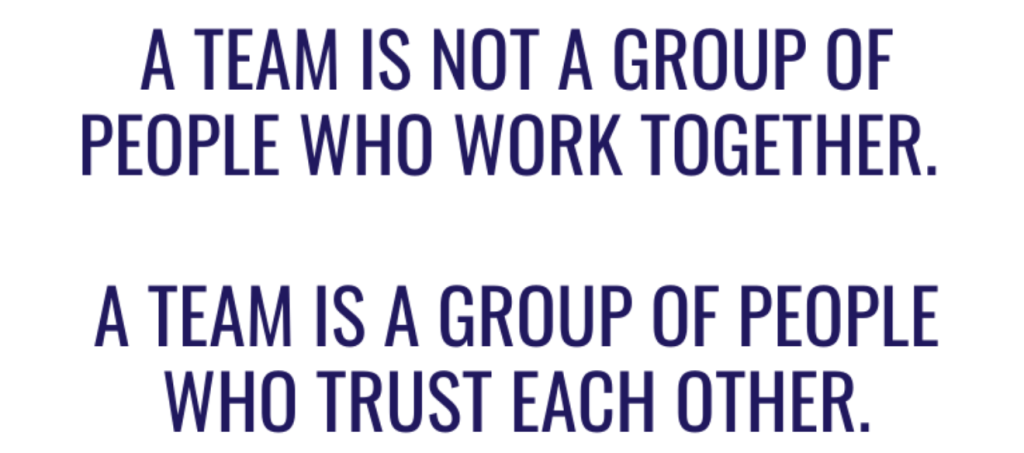
It’s easy to confuse alignment with intimacy. We think, “If we’re all using the same tools, we must be on the same page.” But alignment can be mechanical. Trust is emotional. It’s built in the quiet moments: when someone shows up early to help, when a teammate sends a voice note instead of a passive-aggressive comment, when someone asks, “How are you really doing?” and waits for the answer. These are not features. They’re choices. Human ones.
Tools don’t fix trust issues — they amplify whatever culture already exists. If you have a team grounded in honesty, care, and consistency, then your tools will help you move faster. But if your team avoids hard conversations, doesn’t communicate expectations, or operates on hidden stress — no amount of fancy software will save you. You’ll just end up polishing dysfunction.
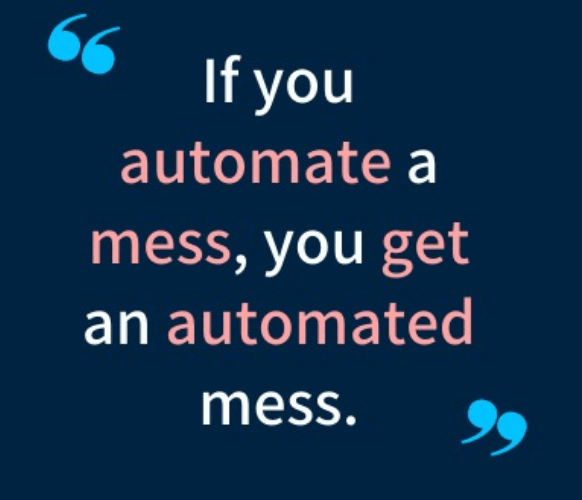
So before you install the next productivity suite or AI agent, ask a deeper question: do the people you work with feel psychologically safe? Do they feel seen? Do they know you’ll show up when it counts — not just when it’s easy? Because once that trust is built, everything else becomes easier. The workflows improve, the meetings get shorter, the updates become more honest. The energy shifts.
The truth is, the most powerful collaboration tool is not an app. It’s a person willing to care a little more than expected. It’s emotional bandwidth. It’s follow-through. It’s vulnerability. And none of that can be downloaded — it has to be given.
– Michael Ratnam
 re-engineer-it