
“People don’t buy the best products. They buy the ones they understand the fastest.”
— Donald Miller

Marketing has long carried a certain stigma. It’s often viewed as manipulative, disingenuous, or even borderline unethical. But that perception misses the mark. Marketing isn’t about deception — it’s about design. More specifically, it’s about designing for attention in a world that is terminally distracted.
We live in an age of abundance. Everyone’s selling something. Everyone’s broadcasting. And yet, attention — real, focused, meaningful attention — is scarce. That’s where marketing comes in. Not as a megaphone, but as a filter. Its purpose isn’t to shout, but to clarify.
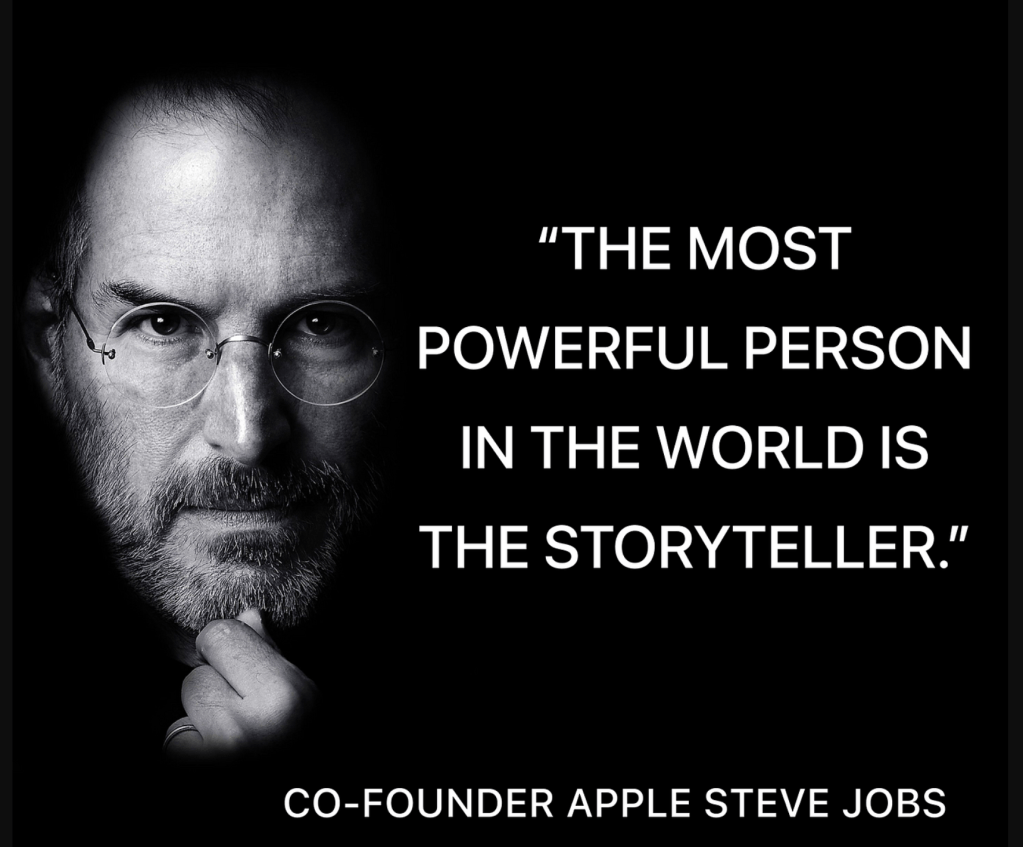
At its core, marketing is about understanding the story your audience is already living — and showing them how your product fits into that story. Steve Jobs once said, “The most powerful person in the world is the storyteller.” That’s not just about charisma — it’s about structure. A good marketer takes noise and turns it into narrative. They don’t manipulate the customer — they serve them clarity.
The brain craves simplicity. In milliseconds, someone scrolling past your post or landing on your homepage is subconsciously asking: What is this? Is it for me? Should I care? If your message doesn’t answer those questions instantly, it doesn’t matter how good your product is. You’ve already lost them.
This is why the idea of marketing being “dirty” is so outdated. The marketing that people hate is the kind that relies on trickery — the “limited time offer” that never ends, the exaggerated claims, the endless upsells. But that’s not what good marketing is. Great marketing today is built on empathy. You win by understanding your audience better than anyone else — sometimes even better than they understand themselves.
If you’ve made something that genuinely helps people, then hiding it under the weight of your self-doubt is not humility — it’s selfishness. You have a moral responsibility to communicate its value clearly. That’s not selling out. That’s showing up.
Marketing is pattern recognition. It’s knowing which symbols, visuals, and messages cut through the fog and signal “this is for you.” Apple does this with silence and simplicity. Nike does it with defiance and determination. Startups do it with authenticity and rawness — real people solving real problems, often in public view.

This isn’t manipulation. It’s pattern design. You’re architecting mental shortcuts so your product sticks, gets remembered, and gets chosen.
If you’re a founder, creator, or indie builder, here’s a healthier way to think about marketing: First, understand the tension your product solves. Then, show the transformation — the before and after. Keep it visual. Speak like a real person. And always invite someone to take a small step, not just to make a purchase.
Marketing doesn’t have to feel forced. Done well, it doesn’t even feel like marketing. Tom Fishburne put it best when he said, “The best marketing doesn’t feel like marketing.” That’s because the new wave of marketing is closer to design, writing, psychology, and empathy than to old-school sales tactics.
It’s time we stop apologizing for marketing.
It’s not about tricking people into wanting what they don’t need.
It’s about helping the right people find what they’ve been looking for.
If you don’t tell the world what you’ve built — someone else will.
And their product might not even be half as good.
—
-Michael Ratnam | re-engineer-it
 re-engineer-it