
Customer Obsession: The Silent Engine Behind Every Disruptor
In today’s fast-paced startup ecosystem, innovation alone isn’t enough. What separates thriving companies from those that vanish within their first year is not just a brilliant idea—but a relentless obsession with the customer.
Elon Musk, the mind behind Tesla and SpaceX, often emphasizes a simple but powerful principle:
“Make something people can’t live without.”
This statement isn’t just philosophical—it’s practical. It explains why Musk’s ventures disrupt industries: they solve problems so deeply rooted in users’ lives that they feel indispensable.
The Business Case for Customer Obsession
Startups often fail not due to lack of talent or funding, but because they build solutions in a vacuum—guided by assumptions instead of actual user needs. Customer obsession solves this blind spot and brings real strategic advantages:
- Drives Innovation: Real problems inspire breakthrough ideas.
- Builds Loyalty: When users feel understood, they become lifelong advocates.
- Informs Growth: Feedback ensures relevance, even as markets evolve.
Step 1: Identify Real Pain Points
Every successful product starts with listening:
- Engage Directly: Talk to at least 50 potential users. Ask, “What’s your biggest daily frustration?”
- Observe in the Wild: Communities like Reddit’s r/startups surface unfiltered problems.
- Follow the Data: Google Trends and Twitter (X) often reveal real-time needs.
Case Study: Drew Houston founded Dropbox after forgetting his USB stick. That frustration birthed a billion-dollar company.
Step 2: Build One Thing That Solves One Big Problem
Musk’s Product Philosophy: Solve one pain point better than anyone else.
- Launch an MVP: Test fast. SpaceX started with tiny rockets before Falcon Heavy.
- Delight, Don’t Just Deliver: Tesla’s UI feels like an iPhone on wheels.
- Validate & Refine: Ask early users, “Does this actually improve your life?”
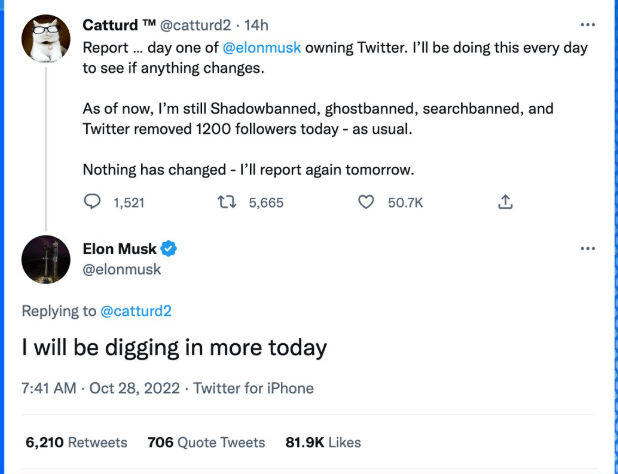
When a Tesla user complained about charger misuse, Musk replied within hours—and fixed it. That’s real-time customer obsession.
Step 3: Let Feedback Shape the Future
Post-launch, obsession should accelerate:
- Stay Connected: Use polls, surveys, social listening.
- Measure Usage: Tools like Mixpanel show friction points.
- Act Fast: Musk ships solutions in days—not quarters.
Real-World Example: Tesla added “Dog Mode” after public demand. That wasn’t just product improvement—it was brand-building through empathy.
Step 4: Create a Brand That Resonates Emotionally
Functional products win sales. Emotional products win movements.
- Tell a Story: Why does your product exist?
- Foster a Tribe: Share behind-the-scenes, customer journeys, and product battles.
- Be Real: Musk’s raw posts about wins and losses build unmatched loyalty.
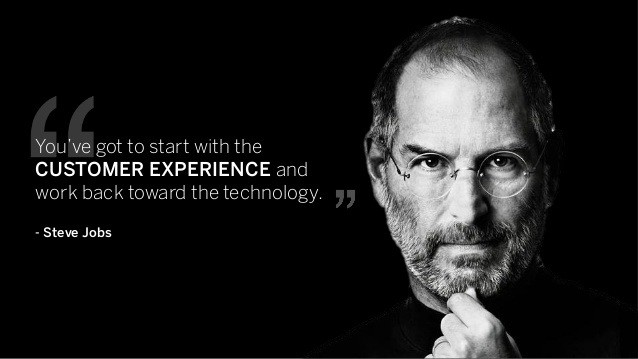
“Start with the customer experience and work back toward the technology.”
— Steve Jobs
Step 5: Scale Without Losing the User
- Anticipate Needs: Use trends and forums to stay ahead.
- Expand With Precision: New features must serve the core user base.
- Protect Experience: Growth should never break usability.
Example: Starlink wasn’t a pivot. It solved a global user problem—access to reliable internet in underserved areas. Customer obsession scaled it.
The Bezos Perspective
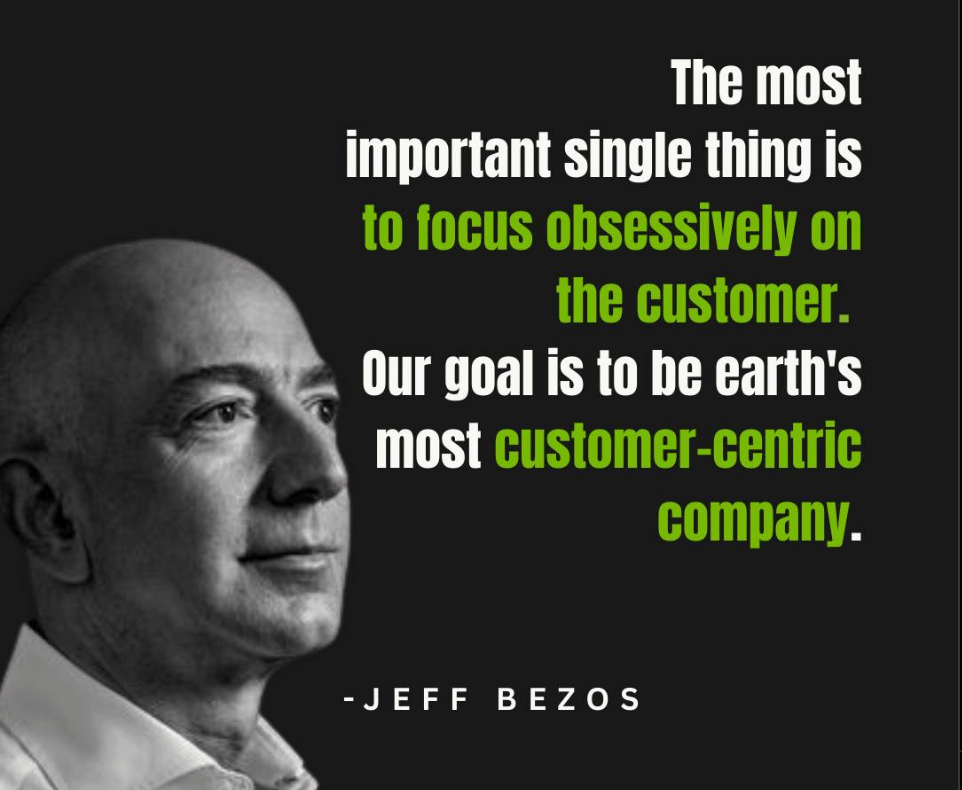
“If there’s one reason we have done better than our peers in the internet space over the last six years, it is because we have focused like a laser on the customer.”
— Jeff Bezos
Final Thoughts
Customer obsession isn’t a buzzword. It’s a north star for product builders, founders, and innovators. The startups that endure aren’t just fast or flashy—they’re deeply, consistently useful.
If you’re building something today, remember:
🎯 Talk to customers.
🧠 Build with empathy.
⚡ Improve with speed.
That’s not just the Musk way—it’s the smart way.
 re-engineer-it